



Hubbs-SeaWorld Research Institute (HSWRI) has reached a historic milestone: the release of its 3 millionth white seabass into the wild.
This achievement marks a significant step in a decades-long conservation journey. Below is a breakdown of the program’s impact and the science behind the release.
The Milestone Release
The ceremonial release took place at the institute’s Carlsbad campus, where former board chair Bill Shedd used a golden net to send the 3 millionth fish through a tube into the Agua Hedionda Lagoon.
While commonly called a “bass,” the white seabass is actually a croaker species native to the West Coast. These fish are vital to the marine ecosystem, typically inhabiting kelp beds and rocky reefs from Alaska down to Baja California.
Restoring a Depleted Species
The program was born out of necessity. Between 1960 and 1980, white seabass populations crashed due to a combination of:
- Overfishing
- Habitat loss
- Climate change
In 1983, a coalition of researchers, state wildlife officials, and recreational fishers joined forces to reverse this trend. The effort has been remarkably successful; today, research suggests that 30% of the wild adult population originated from this replenishment program.
Innovation and Research
The institute currently releases roughly 70,000 fish annually, but the process is as much about data as it is about numbers.
- Acclimation Testing: For this release, researchers bypassed the usual mid-lagoon “seapens” to test new acclimation strategies. By comparing different release methods, they hope to determine which leads to the highest survival rates—even when local pelicans show up looking for an easy meal.
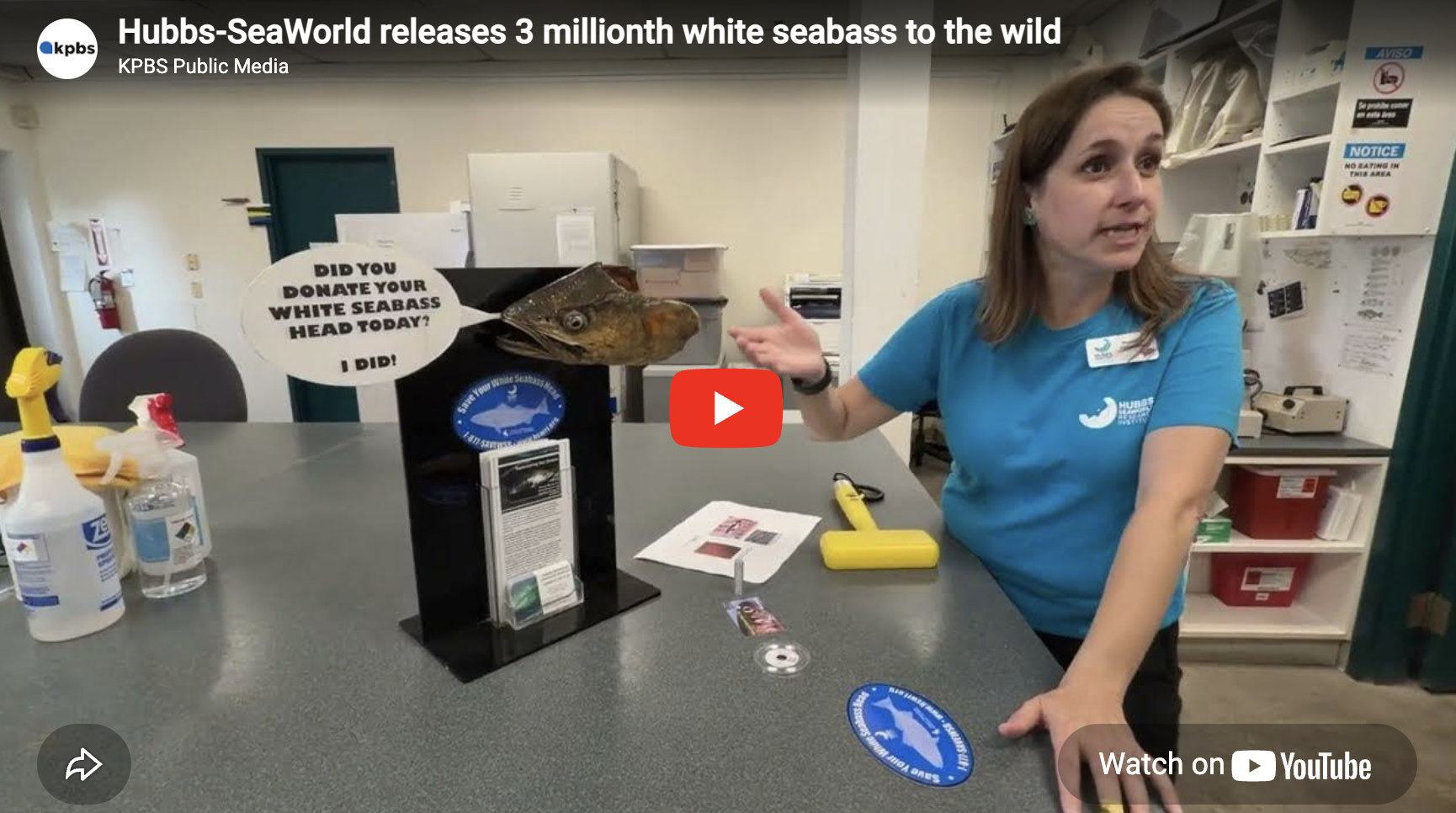
- Tracking Success: Every fish is fitted with a tiny tag in its cheek. Hatchery manager Mariana Kawakami urges anglers to donate the heads of caught seabass so researchers can retrieve these tags.
- Data Points: These tags provide essential “life history” data, including where the fish was raised, how it was released, and its migration patterns.
“Getting to 3 million has taken a fair amount of time… It’s a fishery that has been depleted over time… They play an important role in the ecosystem.” – Mark Drawbridge, HSWRI Sustainable Seafood Program Director & CAA Director
Recent Comments