



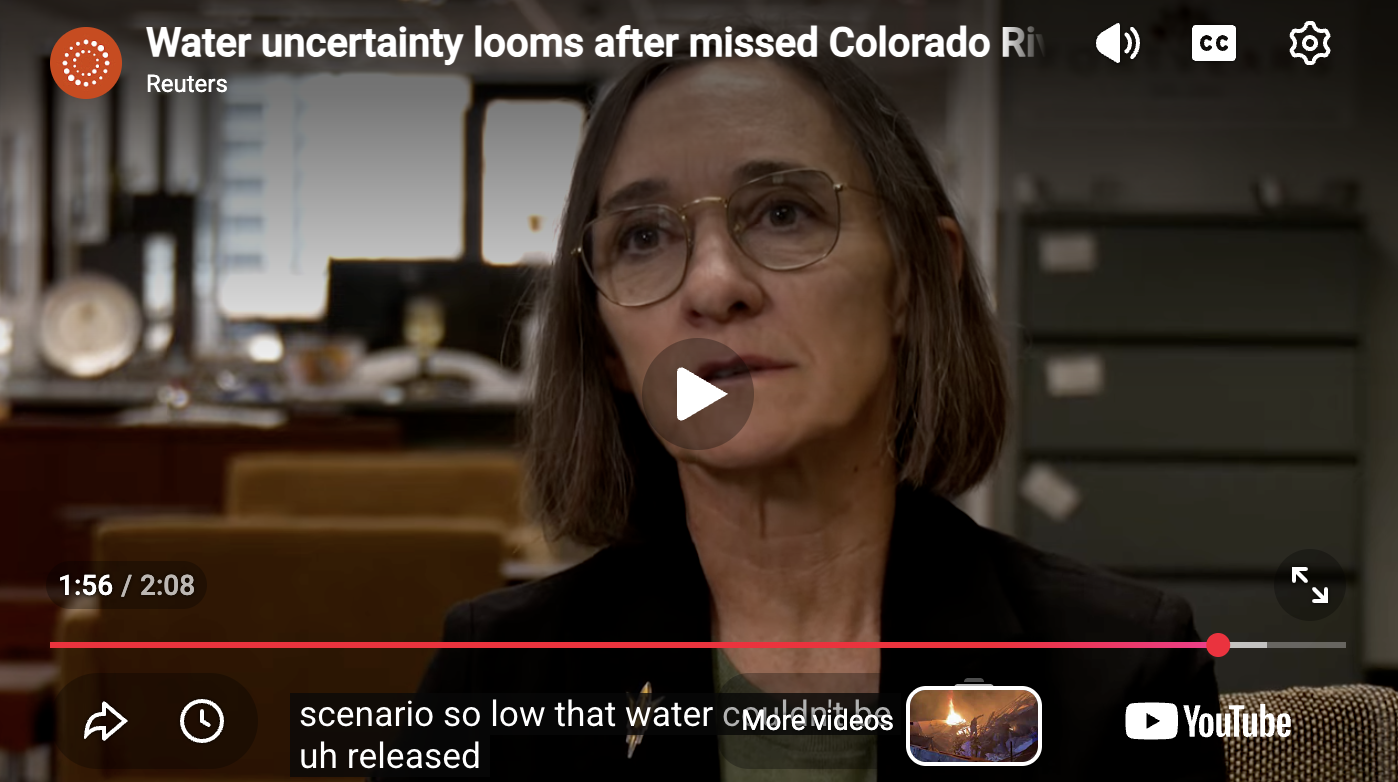
As water allocations along the Colorado River Basin face historic reductions, agricultural sectors across California and the American Southwest are being forced to adapt to a changing hydrological landscape. A comprehensive Reuters visual analysis highlights how water consumption continues to outpace natural replenishment in the Colorado River system, driving unprecedented supply cuts and policy renegotiations.
For California’s aquaculture community, the shifting dynamics of the Colorado River serve as both a critical warning sign and a reminder of our sector’s potential to lead in water efficiency.
Key Takeaways from the Data
- Unbalanced Basin Demands: Decades of allocation agreements relied on historical flow estimates that exceed modern realities. Agriculture remains the largest volume consumer in the basin, putting irrigation districts—particularly in the Imperial and Palo Verde valleys—under intense pressure to reduce diversion volumes.
- Impending Guidelines Deadline: Federal and state stakeholders are negotiating post-2026 operational guidelines for Lake Mead and Lake Powell, which will dictate future delivery cutbacks for municipal, industrial, and agricultural users alike.
- Ripple Effects Across Water Infrastructure: Tiered reduction mandates mean reduced surface water availability, driving up regional competition for groundwater and altering local water-transfer markets across Southern California.
Implications for California Aquaculture
While traditional terrestrial agriculture faces strict fallowing and reduction targets, aquaculture operates under a different dynamic: water utilization versus water consumption.
- Recirculating & Closed Systems: Advanced recirculating aquaculture systems (RAS) and closed-loop technologies allow producers to achieve high yield density with minimal net water loss. As surface allocations shrink, adoption of high-efficiency systems becomes a strategic imperative.
- Co-Location & Integrated Agriculture: Aquaculture integrated with crop irrigation (such as utilizing farm discharge water for crop nutrient delivery) offers a proven path to maximize the productive output of every acre-foot of water.
- Policy Representation: As water agencies restructure delivery agreements and economic incentives for water conservation, CAA continues to advocate for aquaculture’s recognition as a beneficial, high-efficiency user of agricultural water resources.
The tightening supplies along the Colorado River underscore the urgency of resilient water management. California aquaculturists who prioritize water-recycled systems, efficient intake strategies, and integrated production will be best positioned to navigate incoming supply adjustments.
For a deeper dive into Southwestern water policy negotiations, the video below provides additional context on the regional debate:
Post a comment