



California is known around the world for agriculture. We grow almonds, grapes, citrus, lettuce, rice, tomatoes, dairy, cattle, and countless specialty crops.
But there is another part of California agriculture that has not always received the same public attention.
It grows in water.
California aquaculture has deep roots across the state, from shellfish grown in coastal bays to freshwater fish farms, hatcheries, abalone culture, trout production, algae, kelp, and emerging aquatic species. This is not a new idea suddenly appearing on the horizon. It is a long-standing part of California’s food, science, conservation, and working-water history.
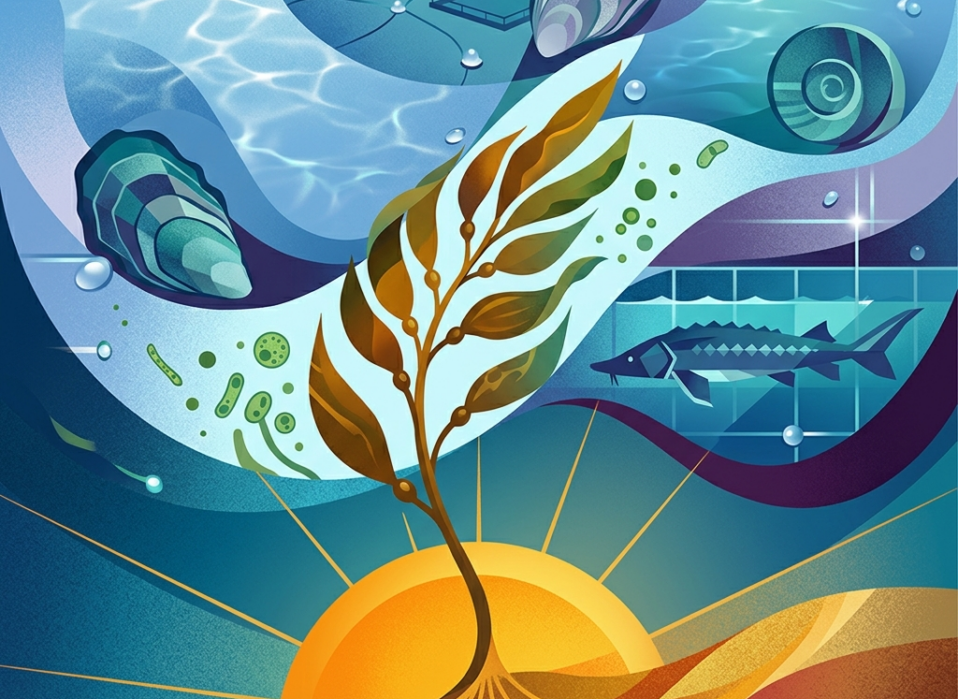
For decades, growers, researchers, hatchery teams, and aquatic farmers have helped develop production methods, species knowledge, and husbandry practices that support both commercial production and restoration work. California’s aquaculture story includes oysters, mussels, clams, abalone, trout, catfish, sturgeon, seaweed, ornamental fish, hatcheries, research institutions, and natural resource agencies.
That range matters.
It shows that aquaculture is not one thing. It is not one species, one method, one region, or one kind of business. It is a broad and diverse sector connected to food production, environmental stewardship, science, public resources, working waterfronts, rural economies, coastal communities, and education.
California has always been a place of innovation. That is true in technology, agriculture, environmental science, food, and water.
Aquaculture belongs in that story.
The opportunity now is to make sure people understand that this work is not separate from California agriculture. It is part of it. It is farming, ranching, hatchery work, animal husbandry, plant cultivation, environmental management, and food production; all connected through water.
As California looks toward the future of food, climate resilience, local production, and workforce development, aquaculture should not be treated as an afterthought.
It should be recognized as one of the state’s most important next chapters.
Recent Comments