



Last week, the bright lights of Las Vegas served as the backdrop for one of the most significant gatherings in our industry’s history. As a proud co-host of Aquaculture America 2026, the California Aquaculture Association (CAA) led a powerhouse day of programming that brought together the best minds in West Coast production, research, and policy.
From restorative urchin ranching to the cutting edge of AI-driven hatcheries, our sessions didn’t just highlight where California aquaculture is today – they defined where we are going.
Morning Sessions: Navigating Challenges, Seizing Opportunities
The day kicked off with a “California Aquaculture Flyover” led by Tony Vaught, setting the stage for a series of deep dives into the state’s unique landscape. Our morning presenters addressed the core question: What opportunities exist in California, and what challenges lie ahead?
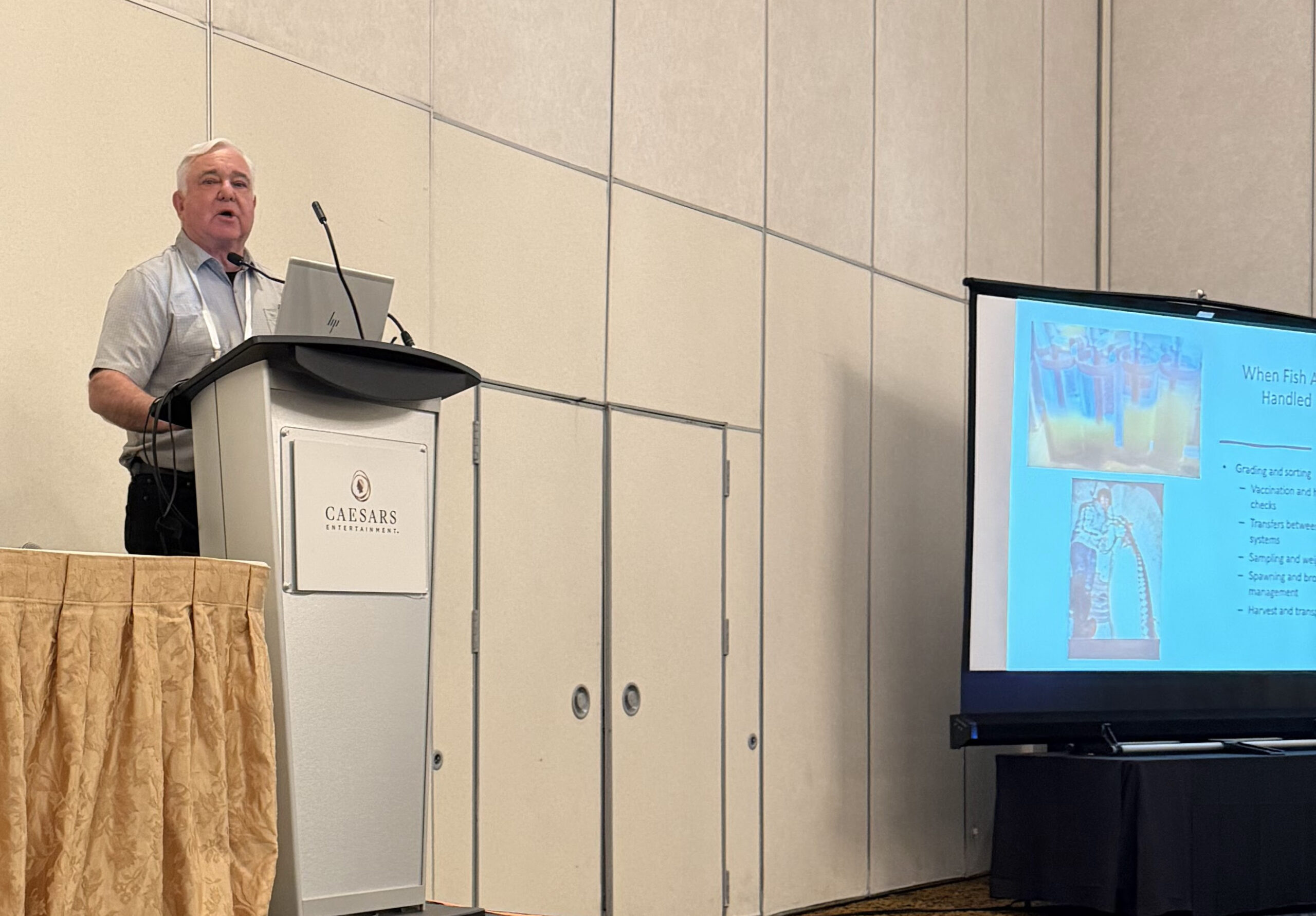
Highlights included:
- Innovation in Restoration: Peter Struffeneger (Pacific Plaza Imports) shared insights into purple sea urchin ranching, illustrating how aquaculture can solve ecological crises while creating commercial value.
- Tribal Sovereignty and Resilience: Daniel Swezey (Kashia Band of Pomo Indians) presented a moving and practical look at tribal aquaculture as a path for recovery and cultural resilience.
- The Tech Frontier: Paul Grech (OctaPulse) demonstrated how AI vision is revolutionizing hatcheries, while Bill Keleher and Lori Gustafson (USDA APHIS) discussed the vital role of aquatic health and “disease freedom” claims in securing our industry’s growth.
- Public Sentiment: Devin Fitzgerald (California Sea Grant) shared results from a 2025 survey, providing a clear-eyed look at how Californians perceive aquaculture and what we must do to build lasting public trust.
The Afternoon Roundtable: From Research to Reality
In the afternoon, the focus shifted from “what we know” to “why aren’t we scaling?” moderated by Kathleen Hartman and Megan Sorby. This “Research to Reality” roundtable brought producers, lenders, and policymakers to the same table.
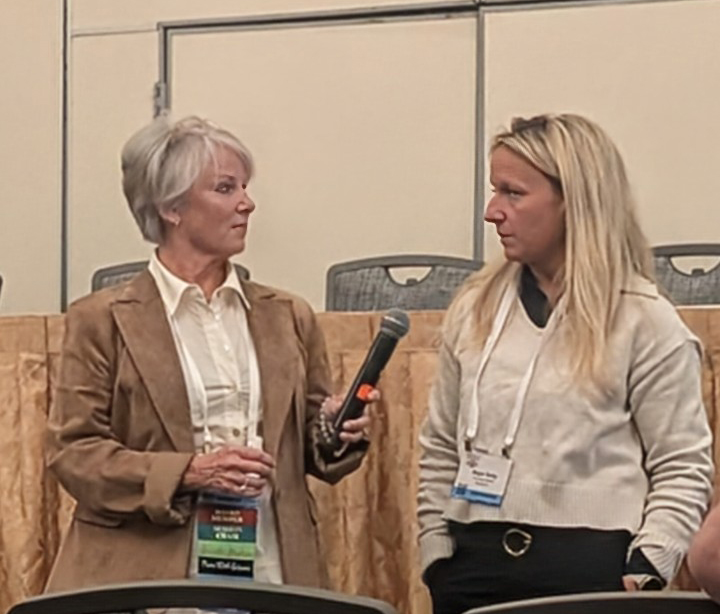
The consensus was clear: Proactive collaboration is the key to unlocking U.S. sector growth. While the U.S. has decades of groundbreaking research, commercial production has remained largely flat. The discussion tackled the “hard questions” regarding private sector needs – specifically permitting reform, risk-sharing programs, and the financing mechanisms required to convert public investment into measurable increases in seafood production.
Key Takeaways: A Call to Action
The recurring theme of the conference, echoed by leaders across the country, is that the U.S. aquaculture sector must move beyond silos. To compete globally and meet California’s aggressive climate and food security goals, we must:
- Bridge the Gap: Integrate research directly into the field, as Jesse Trushenski (Riverence) emphasized.
- Tell Our Story: Use transparent, data-driven storytelling to bridge the “trust gap” with consumers.
- Advocate for Policy Reform: Move toward a regulatory environment that recognizes aquaculture as a solution for climate change and economic development.
Seeing our members, partners, and colleagues engage so passionately in Las Vegas was a testament to the strength of our community. We are not just farmers and scientists; we are pioneers building a sustainable food system for the 21st century.
As we return to our farms and offices, let’s carry this momentum forward. The roadmap for California’s aquaculture growth is clearer than ever – now, it’s time to build.
For a full list of session abstracts and more photos from the event, visit our website at caaquaculture.org.
Recent Comments