



As the global demand for sustainable seafood rises, the need for a workforce literate in aquaculture has never been more critical. However, for many K-12 educators, the barrier to entry for starting a classroom program – ranging from technical logistics to system maintenance – has remained high.
A newly released resource, the “Aquaculture in the Classroom Planning Guide,” aims to change that. Developed through a collaboration between Maryland Sea Grant, the North American Association for Environmental Education (NAAEE), and NOAA under the eeBLUE initiative, this comprehensive 44-page manual is designed to help teachers navigate the complexities of recirculating aquaculture systems (RAS) without needing an engineering degree.
Focusing on the “Getting Started” Phase
While many resources exist for troubleshooting water quality or fish health once a system is running, educators often struggle with the initial planning and “buy-in” phases. The guide addresses these specific gaps by providing:
- Facility Requirements: Practical checklists for electricity, plumbing, and space considerations.
- System Selection: Guidance on choosing between modular kits or DIY designs based on educational goals.
- Sustainability & Budgeting: Strategies for securing long-term funding and community partnerships to ensure the program survives beyond the first year.
- Career Pathways: Methods to connect classroom lessons to real-world opportunities in biology, chemistry, and trade industries.
Why It Matters for the Industry
For industry stakeholders, this guide represents more than just a teaching tool; it is a workforce development engine. By standardizing the approach to classroom aquaculture, the program fosters a “Blue Economy” mindset in students, preparing the next generation of technicians, scientists, and informed consumers.
The guide is part of a larger effort by the eeBLUE Aquaculture Literacy Mini-Grants Program, which has funded nearly 20 projects nationwide since 2020 to connect science and tradition with modern food production.
The full “Aquaculture in the Classroom Planning Guide” is available for download here.
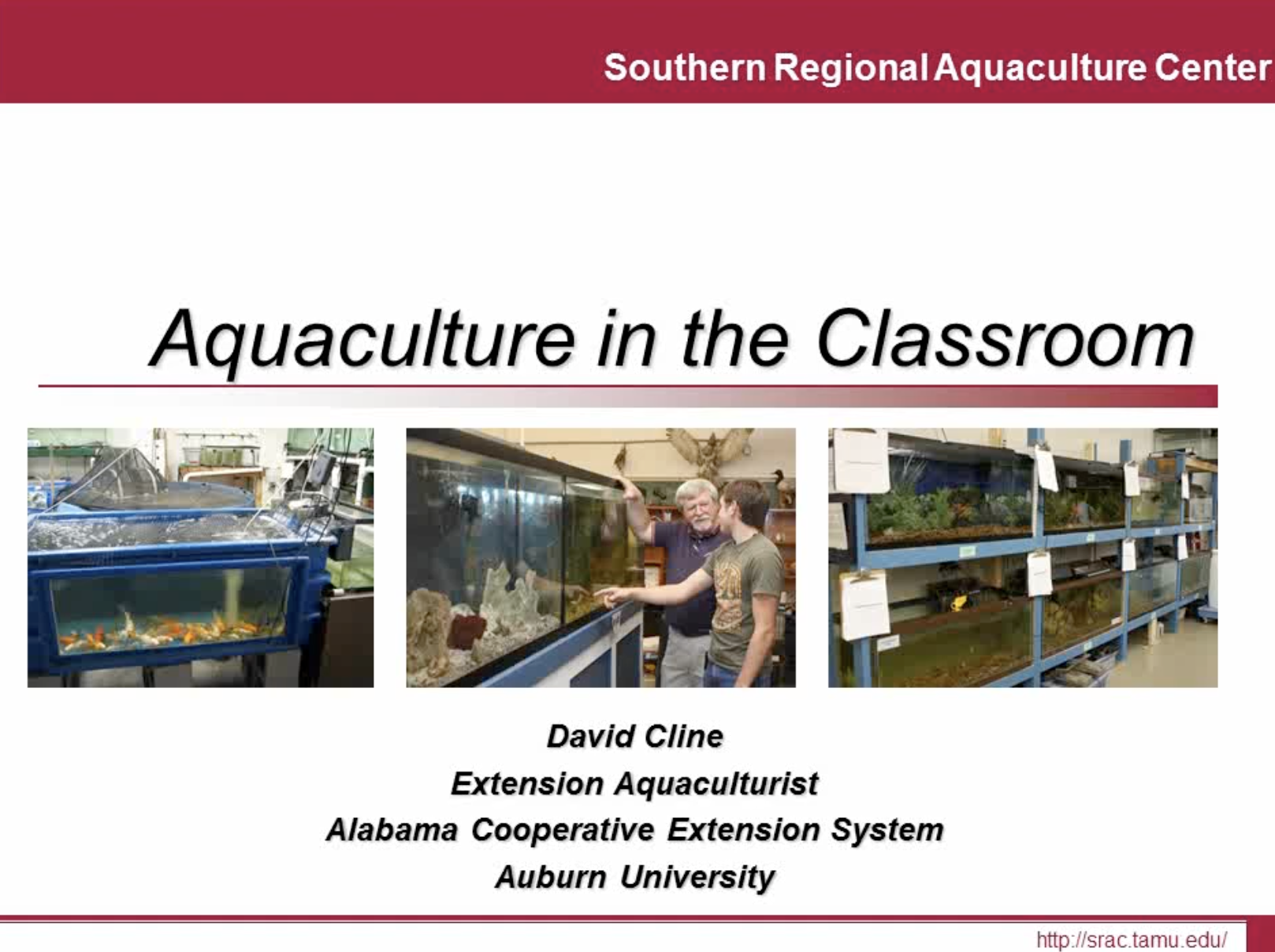
This video below provides a visual overview and expert insights into how aquaculture programs are successfully integrated into school environments.
Post a comment